
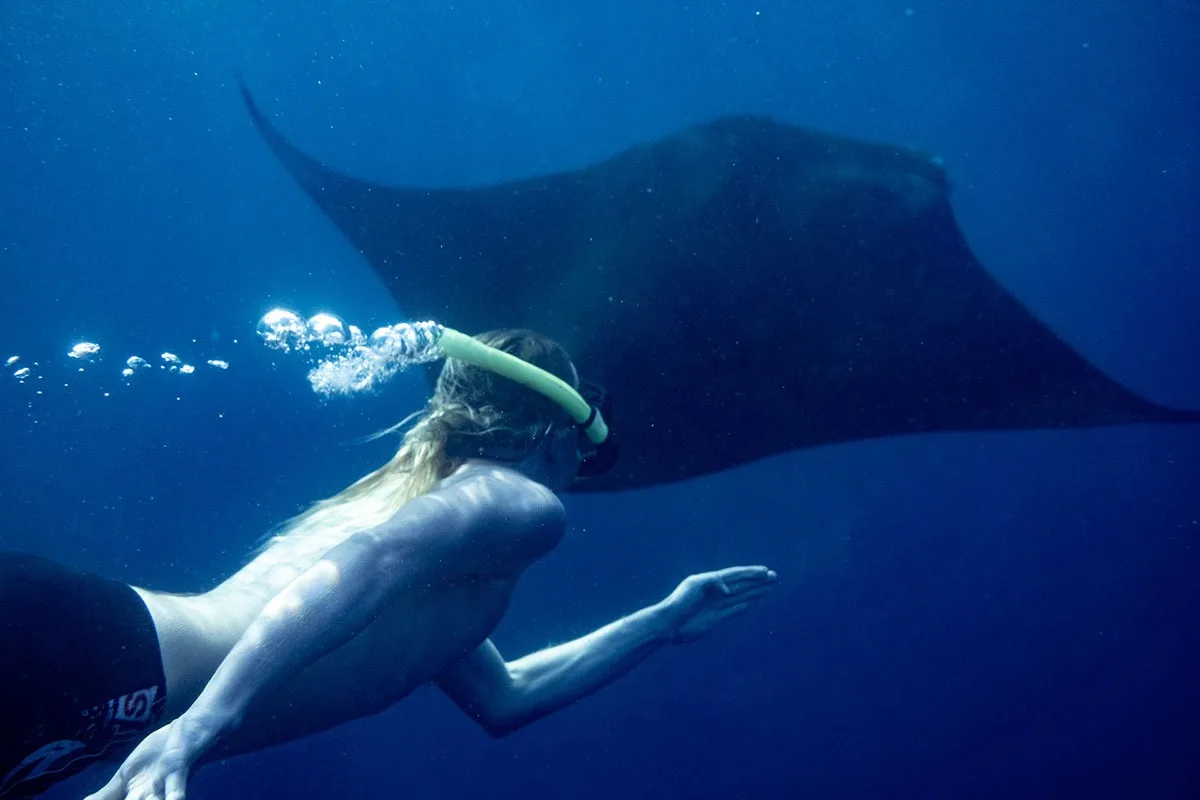
Snorkeling is one of the big reasons travelers choose Nusa Lembongan, but manta dreams should be planned with respect for weather, sea state, and wildlife.
This guide helps you build snorkeling into a retreat without making the whole trip depend on a single wildlife encounter.
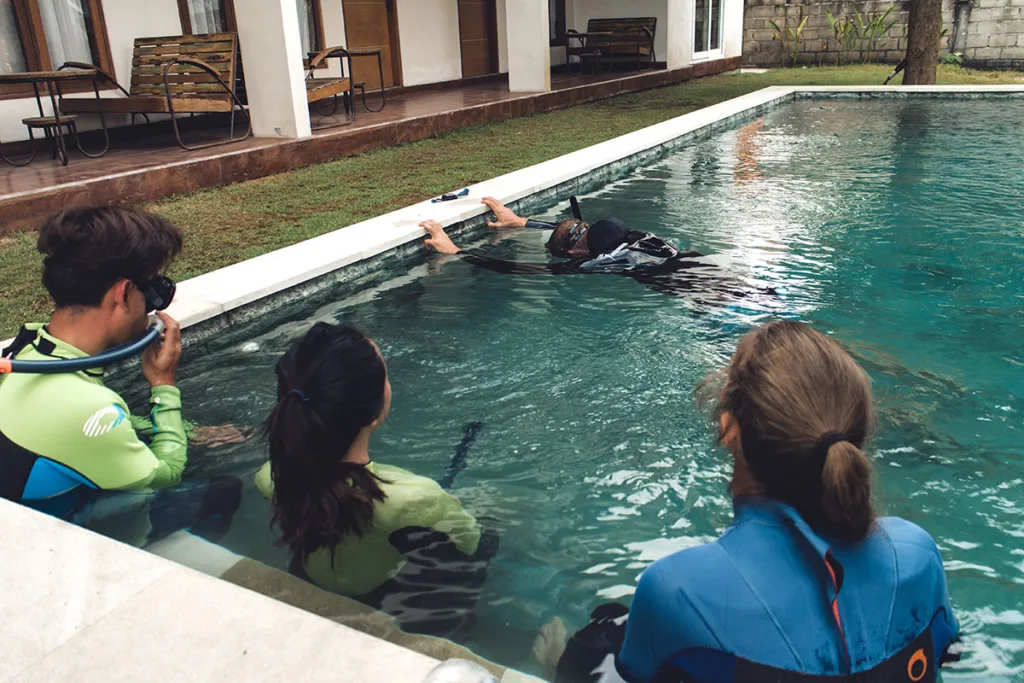
Quick answer for snorkeling retreat Nusa Lembongan manta rays
A smart snorkeling retreat keeps ocean days flexible, checks marine weather, uses reputable local operators, and pairs snorkeling with yoga, dining, and recovery so the trip remains satisfying even if conditions shift.
The ocean is the highlight, but flexibility is what protects the retreat.
Who this guide is for
This guide is for travelers who want snorkeling as part of a wider wellness or island retreat.
For the stay itself, compare the current retreat packages with the accommodation options before deciding how structured or flexible the trip should be.
How to plan it from Isla Indah Retreat
The strongest retreat plans begin with decisions that sound simple but change everything: how much rest you need, how active the days should feel, how close you want to be to the beach, and how much support you want between arrival and departure. When those answers are clear, the retreat can be shaped around real comfort instead of generic Bali inspiration.
- Choose the feeling first. Decide whether the trip should feel restorative, active, social, private, or a mix of those moods before choosing activities.
- Confirm dates and guests. Use exact check-in, check-out, adult count, and kid count so availability can be checked before payment is discussed.
- Keep the plan flexible. Island conditions, tides, weather, and personal energy can change, so the best retreat plan has structure without becoming rigid.
This is especially important in Nusa Lembongan because the best days often depend on tide windows, boat timing, weather, heat, and your own energy after travel. A flexible retreat does not mean vague planning; it means the plan has enough intelligence to change without losing its purpose.
A simple island rhythm
Ocean days need backup options.
- Place snorkeling early enough in the stay to reschedule if needed.
- Follow with a calm meal and rest block.
- Use yoga or massage as a weather-safe recovery option.
If you are comparing several Bali retreat options, look less at how many inclusions are listed and more at how the day actually feels. A good itinerary gives you a clear reason to wake up, enough nourishment to stay steady, and enough unclaimed time to let the island do its quieter work.
Mistakes to avoid
- Booking every activity before checking the actual travel rhythm, room availability, and boat timing.
- Choosing the busiest possible itinerary because it appears to offer better value on paper.
- Ignoring adult and kid counts, dietary needs, injuries, or comfort levels until after a proposal is built.
- Treating weather-sensitive ocean plans as fixed guarantees instead of flexible possibilities.
When this retreat style is the right fit
This approach is best when you want a retreat that feels personal but still professionally held. It suits travelers who value calm communication, direct availability checks, and a human proposal before payment. It may not be the right fit if you want a large group schedule, late-night party programming, or an itinerary where every hour is controlled in advance.
For organic trip planning, this is also why long-tail searches are useful. A specific question usually reveals a specific need: beginner yoga, family room fit, airport transfer timing, rainy season flexibility, or a surf-and-recovery balance. The clearer the question, the easier it is to design the right stay.
Internal planning links
Useful next steps: browse snorkeling and ocean experiences, review post-ocean dining, and use the custom retreat form when you are ready to check dates, adults, kids, and availability.
External resource to check before you book
For independent trip planning, keep the official BMKG maritime weather service resource open as you finalize transport, weather, or Bali destination context.
Booking checklist
Before asking for a final quote, gather the practical details that affect availability and comfort. These details help the team respond with a proposal that can actually be confirmed instead of a beautiful but uncertain outline.
- Check sea conditions and operator advice.
- Bring reef-safe sun protection where available.
- Do not chase wildlife or touch marine life.
- Tell the team about swimming confidence and motion sensitivity.
Once those details are ready, the next step is not to rush into payment. The better sequence is inquiry, availability review, proposal, confirmation, and then deposit or payment instructions. That order protects both the guest and the retreat team.
Frequently asked questions
Are manta rays guaranteed?
No wildlife encounter should be treated as guaranteed. Plan for the experience, not only the sighting.
Can non-strong swimmers snorkel?
It depends on conditions and operator assessment. Be honest about comfort level before booking.
Final planning note
Give the ocean respect and give your itinerary backup space. That is how snorkeling becomes part of a calm retreat rather than a stress point.